
If you own valuable jewelry, there may come a time when you need to know what it is worth. But before having a ring, necklace, watch, or other piece appraised, there is an important question to answer:
Why do you need the appraisal?
The value used to insure a diamond engagement ring may be very different from the value needed when settling an estate or dividing property. And neither of those values necessarily represents what you could receive if you decided to sell the jewelry today.
Understanding these differences can help you make sure you’re getting the right jewelry appraisal for your particular situation.
At DW Gem Services in Cheshire, Connecticut, we provide professional jewelry appraisals based on the intended use of the appraisal and current market information.
What Is a Jewelry Appraisal?
A professional jewelry appraisal provides a detailed description and valuation of a piece of jewelry.
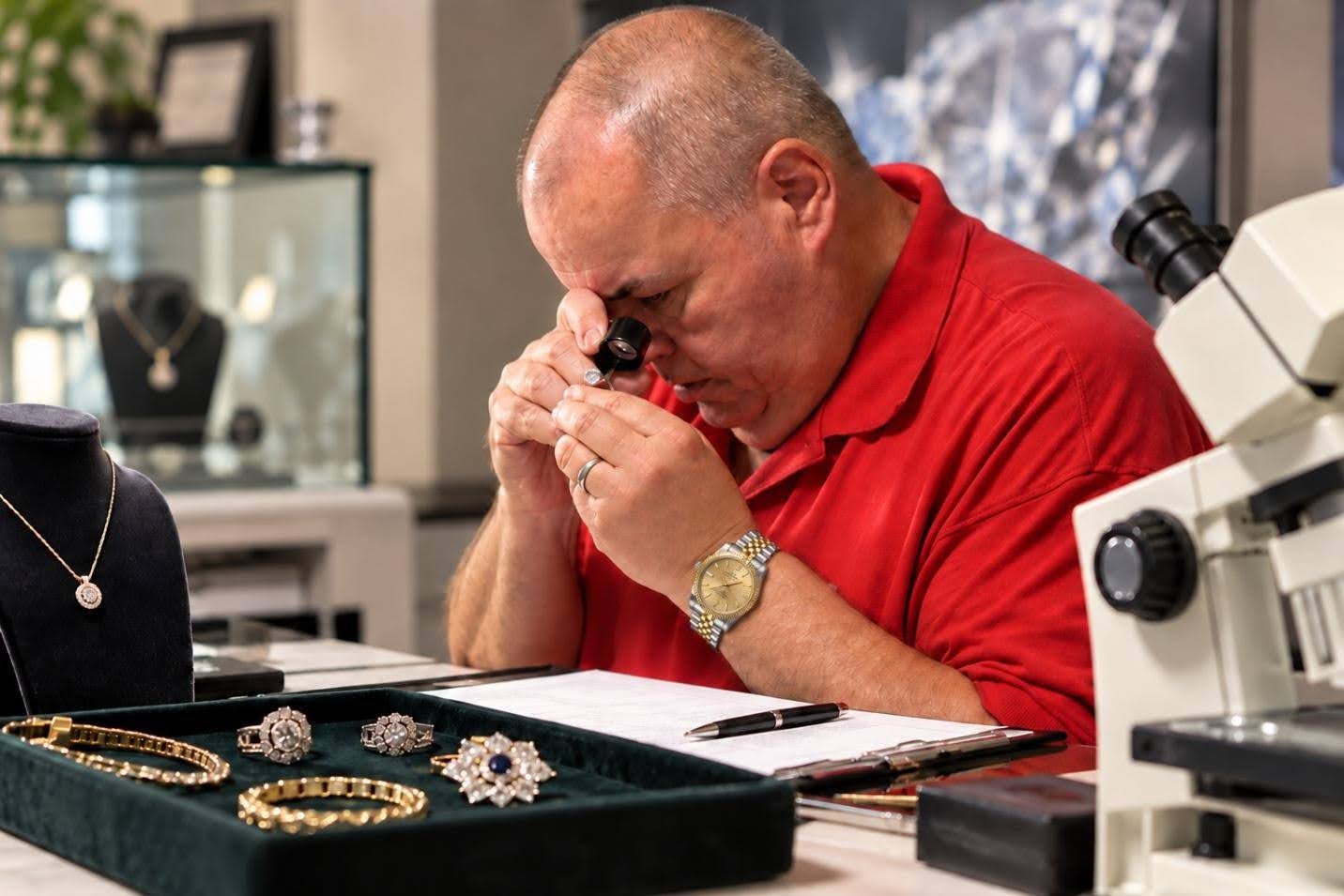
The appraisal process should include identifying and documenting the setting, metals, diamonds and colored gemstones, their sizes and qualities, and other characteristics that help accurately identify the piece.
At DW Gem Services, an appraisal includes detailed information about the setting, the sizes and qualities of diamonds and colored stones, a color photograph, and a value determined through research of comparable items in the marketplace.
But here’s where things become especially important:
There isn’t just one definition of what your jewelry is “worth.”
Different circumstances call for different approaches to valuation.
What Is an Insurance Jewelry Appraisal?
If you want to insure your jewelry, the appraisal generally needs to establish an appropriate replacement value.
Replacement value considers what it would cost to replace the item with another piece of like kind and quality in the appropriate retail market.
For example, suppose you have a diamond engagement ring that is lost or stolen. The purpose of the insurance appraisal is to provide the information necessary to establish an appropriate value for replacing that ring with a comparable piece.
This is why an accurate description is just as important as the dollar amount.
The appraisal should thoroughly document the characteristics of the jewelry so that if it is ever lost or stolen, there is a clear record of what needs to be replaced.
Why an Inflated Insurance Appraisal Isn’t Necessarily a Good Thing
Seeing a high number on a jewelry appraisal might initially sound like good news.
But an unnecessarily inflated replacement value may not benefit you.
If the insured value is substantially higher than an appropriate replacement value, you could potentially be paying insurance premiums based on a valuation that doesn’t accurately reflect the current market.
Don’s experience has also shown that jewelry values don’t automatically move in one direction. Changes in competition, retail margins and the marketplace can affect replacement values over time. In some cases, an older appraisal may even show a higher replacement value than is appropriate in today’s market.
That’s one reason DW Gem Services recommends periodically having jewelry reappraised rather than assuming an appraisal from many years ago is still accurate.
Jewelry Condition and Repairs Before Appraisal
The condition of your jewelry is an important part of the appraisal. During our examination, we check for issues such as worn prongs, loose stones, damaged clasps, and other signs of wear or damage that may need attention.
If repairs are needed, we will explain our findings and discuss your options before completing the appraisal. DW Gem Services can perform these repairs so the final appraisal accurately reflects the jewelry’s condition after the work is completed.
Addressing these concerns helps protect your jewelry and may prevent condition-related issues when applying for insurance. Any unresolved damage or necessary repairs will be accurately documented. Coverage decisions remain with your insurance company.
What Is an Estate Jewelry Appraisal?
An estate jewelry appraisal establishes the value of jewelry when settling an estate or dividing property among heirs. It typically uses Fair Market Value—the price a willing buyer and willing seller would agree upon, with neither under pressure and both informed about the item.
An insurance appraisal estimates the retail cost of replacing the jewelry, which may be significantly higher. Using insurance replacement value when Fair Market Value is required can overstate the estate’s value and potentially result in higher probate fees and, where applicable, estate taxes.
What Does Fair Market Value Means for Jewelry?
One of the easiest ways to understand Fair Market Value vs. replacement value is to think about the question each valuation is trying to answer.
An insurance replacement appraisal essentially asks:
What would it appropriately cost to replace this jewelry with a comparable item?
Fair Market Value addresses a different question:
What is the property’s value in an appropriate market between a willing buyer and willing seller under the applicable circumstances?
Those aren’t necessarily the same number.
This is one reason you shouldn’t assume an appraisal value represents the amount someone would pay you if you sold the piece.
Is an Estate Appraisal the Same as Fair Market Value?
Fair Market Value is the type of value that may be used for an estate appraisal, depending on the purpose and requirements of the assignment.
It may also be appropriate when jewelry or other property needs to be divided among multiple people.
For example, DW Gem Services’ original appraisal guidance identifies a Division of Property Appraisal as another situation where Fair Market Value may be used. Appraisal Blog
The important point is that the appraiser needs to understand why the appraisal is being performed before determining the appropriate valuation approach.
Is Appraised Value the Same as What I Can Sell My Jewelry For?
No—and this is one of the biggest misconceptions surrounding jewelry appraisals.
If your primary goal is simply to sell a piece of jewelry, you may not need a formal appraisal at all.
You may need an offer to purchase the jewelry instead.
An insurance replacement value should not be interpreted as an offer to buy the item for that amount. The markets and purposes are different. Don specifically highlighted this distinction in his original appraisal guidance: someone looking to sell should be thinking about an offer to purchase rather than assuming an insurance appraisal establishes the jewelry’s selling price. Appraisal Blog
If jewelry must be sold immediately, another type of valuation—a Liquidation Appraisal—may be appropriate. Liquidation value considers the immediate sale of the items.
How Often Should Jewelry Be Appraised?
Jewelry values change, and an outdated appraisal could leave you with too little coverage—or paying more for insurance than necessary. Over the past four years, we have seen gold prices more than double, while prices for both natural and lab-grown diamonds have declined. These changes can significantly affect replacement values, depending on the jewelry’s metal content and gemstones.
DW Gem Services recommends updating jewelry appraisals approximately every five to seven years, or sooner when market prices change significantly or your insurer requires it, to keep your valuation and documentation current.
You may also want to consider an updated appraisal when you’ve made significant changes to a piece, inherited jewelry, are updating insurance coverage, or discover that an existing appraisal contains incomplete or inaccurate information.
What Should a Professional Jewelry Appraisal Include?
A dollar value alone isn’t enough.
A thorough appraisal should provide enough information to properly identify the jewelry and document the characteristics that influence its value.
DW Gem Services appraisals include:
- An expert description of the setting and its specific details
- Sizes and qualities of diamonds and colored gemstones
- A valuation based on research of comparable items in the market
- A color photograph of the jewelry
That documentation can become especially important if an insured piece is later lost or stolen.
Who Should Appraise Your Jewelry?
Choosing a qualified appraiser is essential to getting an accurate, well-supported valuation. Experience in the jewelry business is valuable, but professional appraising also requires formal gemological training, knowledge of appraisal principles, and thorough market research.
Don Walsh, an experienced and qualified gemologist and owner of DW Gem Services, has performed an estimated 15,000+ appraisals throughout his career. He was one of Connecticut’s first Certified Gemologist Appraisers with the American Gem Society—a title he held for over 30 years. He also oversaw a large jewelry appraisal department in Connecticut, served as an expert witness in court cases, and provided consulting services to attorneys and police departments.
A professional appraisal is more than a dollar amount. Don’s experience helps ensure your jewelry is accurately identified, its quality and condition are documented, and the appropriate type of value is supported by research—whether the appraisal is for insurance, estate settlement, or division of property.
Looking for a Jewelry Appraiser in Cheshire, CT?
Whether you’re updating insurance coverage, settling an estate, dividing property, or simply trying to understand which type of appraisal you need, the first step is determining the purpose of the valuation.
An insurance replacement appraisal, estate appraisal, Fair Market Value, and liquidation appraisal answer different questions. Using the right one can make an important difference.
DW Gem Services, LLC provides professional jewelry appraisal services in Cheshire, Connecticut. Appraisals are performed carefully and valuations are supported by research of comparable items in the appropriate market.
Have questions about which appraisal you need?
Contact DW Gem Services to schedule a consultation or jewelry appraisal appointment.